Buyout Performance with Assets Valued at Market
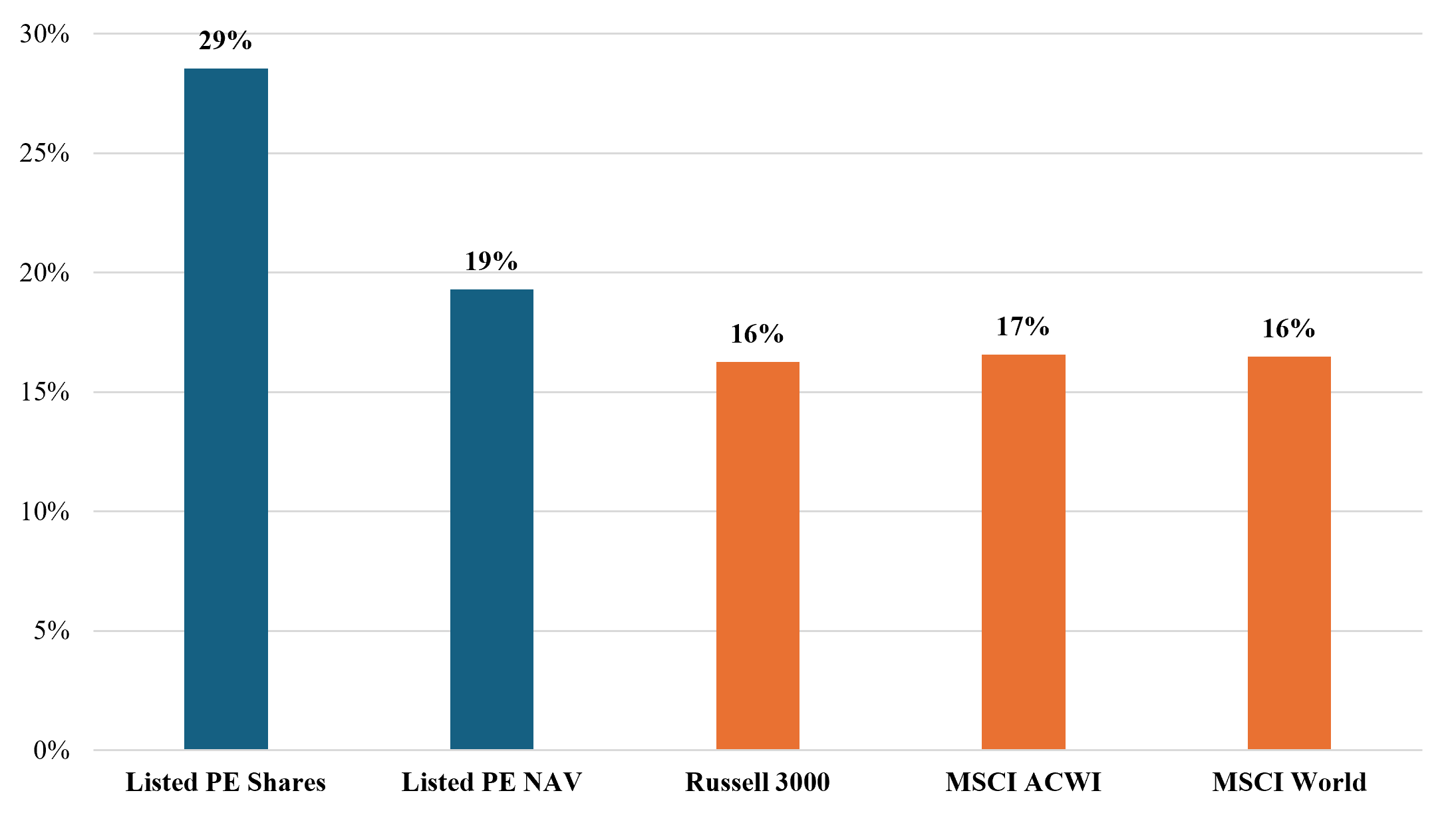
The debate over whether buyout investments generate positive alpha hinges on proper risk measurement. We study buyout volatility, valuation, and performance through the lens of public-market pricing of private equity interests on European stock exchanges. We report that the volatility and stock market correlation of listed private equity (LPE) returns are greater than when determined using cash flows and net asset values (NAVs). We estimate a beta of roughly 1.5 and find no statistically meaningful alpha. Using market-priced buyout vehicles eliminates the appearance of alpha generated by smoothed NAVs and implies standard equity‑like compensation for higher leverage. These results align with those of studies based on secondary market transactions.
What the Stock Market Can Teach Us About Private Equity
We study private equity volatility, valuation, and performance through the lens of public-market pricing of private equity interests on various European stock exchanges. We report that the volatility and stock market correlation of listed private equity (LPE) returns are greater than when determined using net asset values (NAVs). Discounts from NAV that routinely arise in the trading of LPE shares are greater and more volatile than those reported in the secondary market. LPE has underperformed the stock market in terms of risk-adjusted performance for at least the last 20 years. LPE performance has been especially weak since the Federal Reserve started raising interest rates in 2022.
Scattershot Diversification
Cliffwater and Ennis Don’t Agree on the Merits of Alternative Investments: Quelle Surprise!
The Demise of Alternative Investments
[1] The Global Financial Crisis of 2008 was an economic collapse that began in the U.S. and spread around the world. It was the worst recession and market crash since the The Great Depression
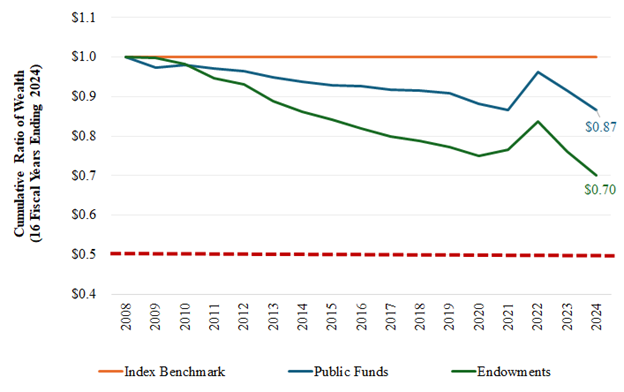
The Endowment Syndrome: Why Elite Funds Are Falling Behind
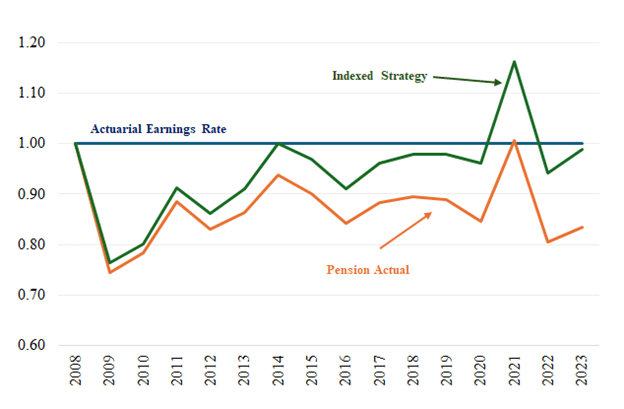
Are Institutional Investors Meeting Their Goals? Spotlight on Earnings Objectives
Elusive Alpha, Corrosive Cost
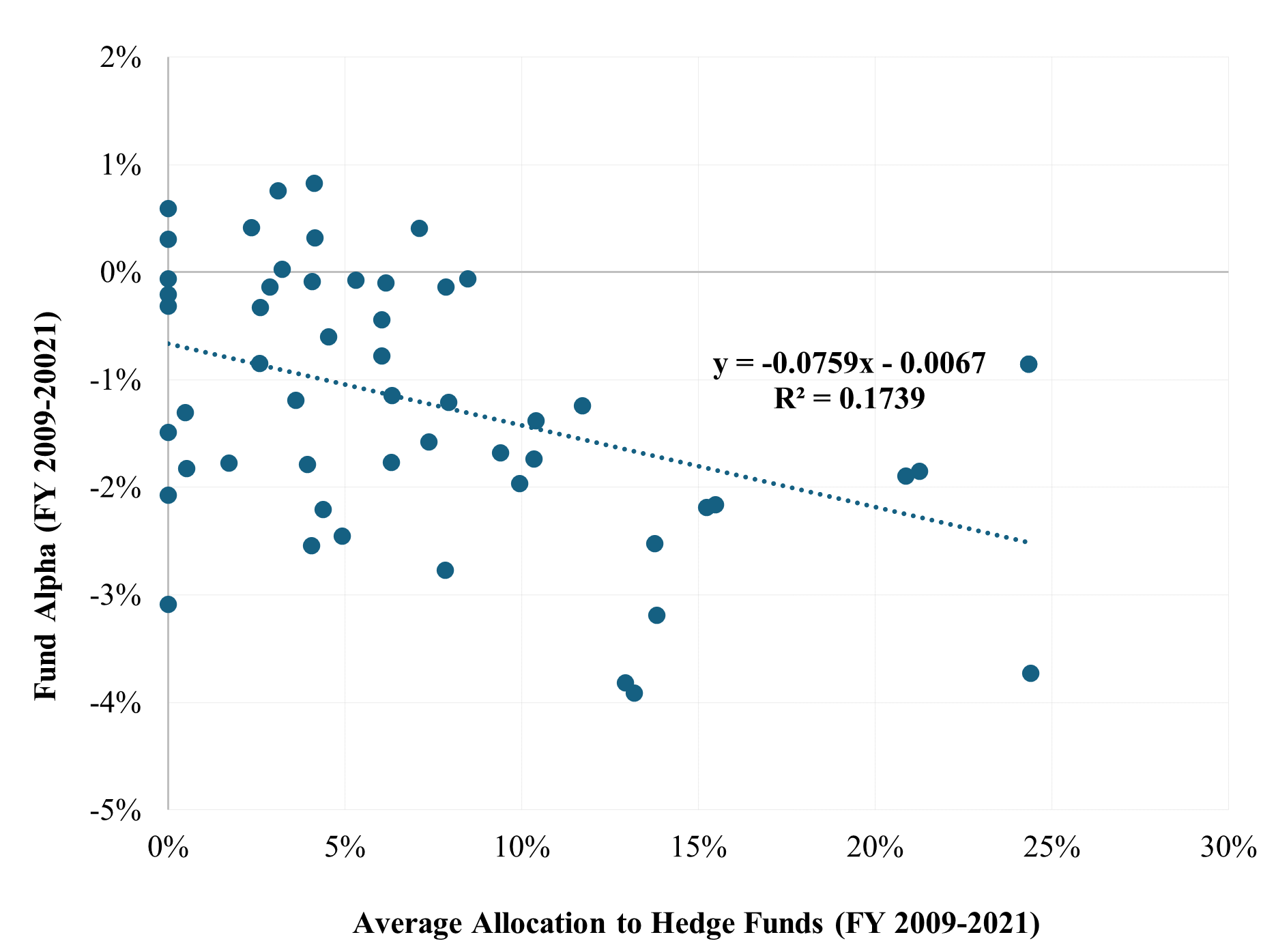
Hedge Funds: A Poor Choice for Most Long-Term Investors
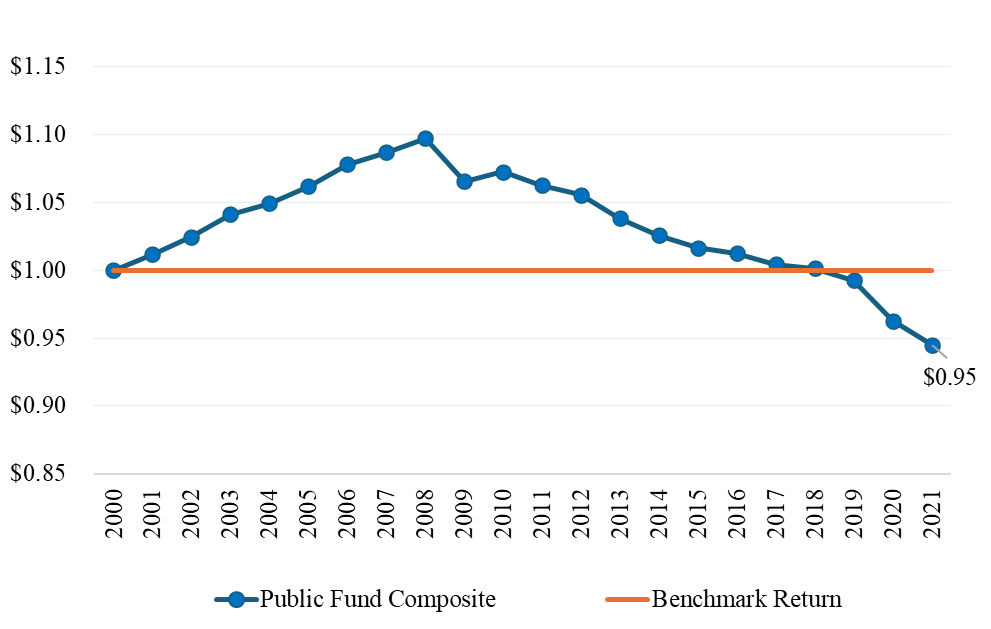
The Long-Run Performance of Public Pension Funds in the US
How Hidden Costs Undermine Public Pensions in the US
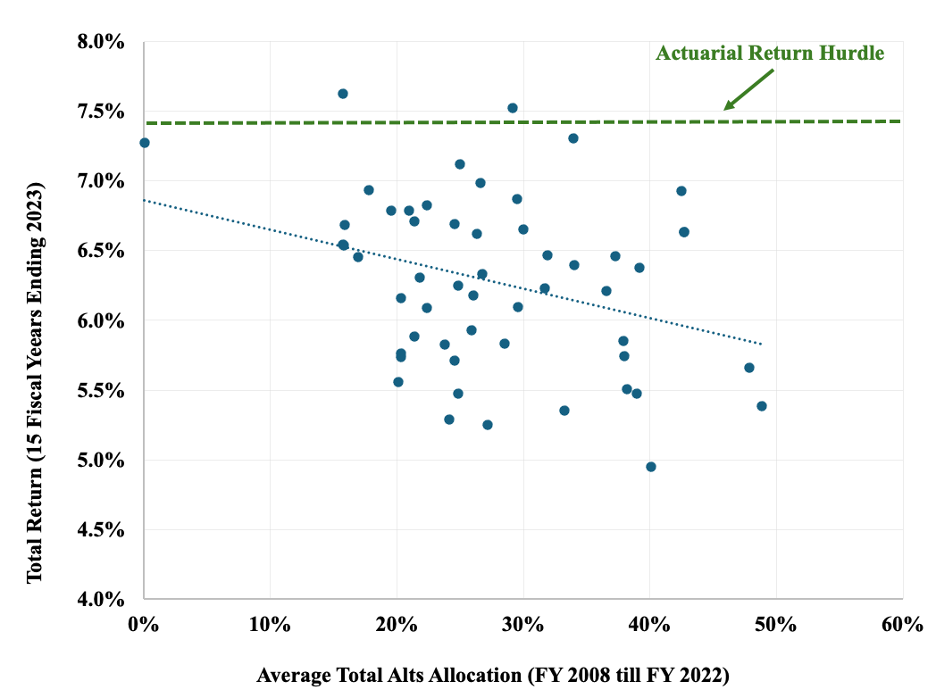
Public pension plans in the US incur exorbitant asset management costs. Most spend a lot and get nothing for it. High cost has hindered efforts to realize their actuarial return requirement. It has resulted in poor performance pretty much across the board. And yet, very few plans provide a full accounting of the costs they incur. Some still fail to net all their investment expenses from the returns they report. High cost is the Achilles heel of the public pension system in the US. It’s time to bring costs down, way down.
Unexceptional Endowment Performance
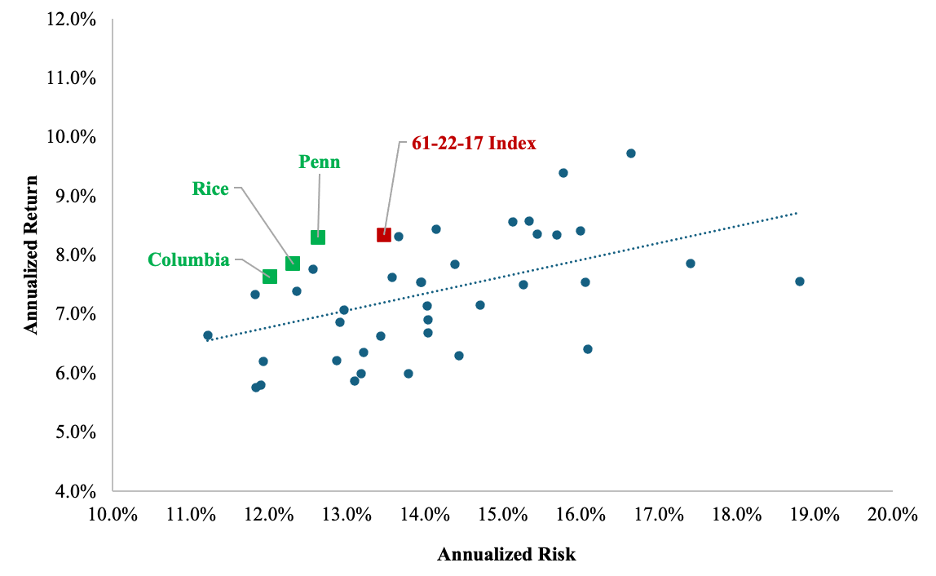
Second-Guessing CalSTRS on Investment Strategy: A Case Study
“CalSTRS to Weigh New Opportunistic Sleeve,
Eliminates 55% Limit on Private Assets”
So goes the headline of a recent article in Pensions & Investments, the industry newspaper for institutional investors. The article describes a proposed new allocation of up to 5% of fund assets. P&I reports, “The new portfolio would give CalSTRS flexibility ‘to identify, research and incubate new and compelling strategies’ that may fall beyond existing asset classes because of their structure, their benchmark or their thematic focus.” [1]
California State Teachers Retirement System (CalSTRS), with $319 billion in assets at June 30 of 2023, has long been an investor in alternative asset types. Its allocation to alternatives rose from about 10% of assets in 2001 to about 44% in 2023. The recent alts figure compares to an average of 34% for large public pension funds in the US. Upon reading the P&I article, I decided to explore the merit of CalSTRS’s proposed strategic shift, which is likely to place even greater emphasis on controversial alternative asset types.[2]&a
Hogwarts Finance
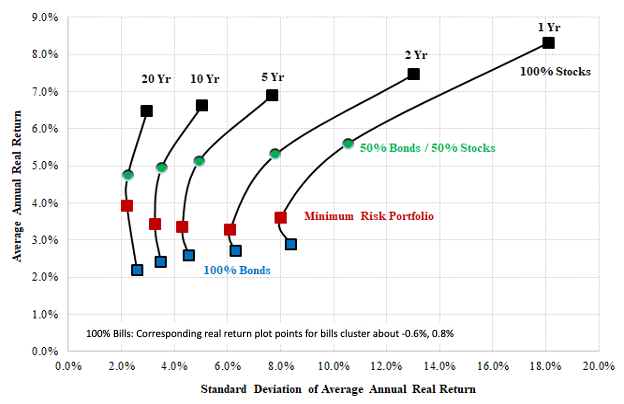
CIOs and consultant-advisors oversee about $10 trillion of institutional assets in the US. They have underperformed passive management by one to two percentage points a year since the Global Financial Crisis of 2008 (GFC).[1] They rely heavily on expensive alternative investments; and the more they have in alternatives, the worse they do.[2] Large institutions use scores of managers, making them high-cost closet indexers. Inefficiency abounds.
What is lacking in institutional fund management today? Intellectual rigor, for one thing. The professionals are ignoring their canon. Lawyers coming before the bar are expected to know the law. Physicians, conspicuously, in my experience, attempt to adhere to the best medical science. Engineers do not improvise when designing bridges. But the people managing institutional assets behave not like they attended the Booth, Säid or Wharton schools to study finance but Hogwarts School of Witchcraft and Wizardry.
[1] I estimate public pension funds have underperformed passive management by 1.2 percentage points per year since the GFC. The figure for large endowments is at least 2.2 percentage points. See Ennis (2022a).
Endowments in the Casino: Even the Whales Lose at the Alts Table
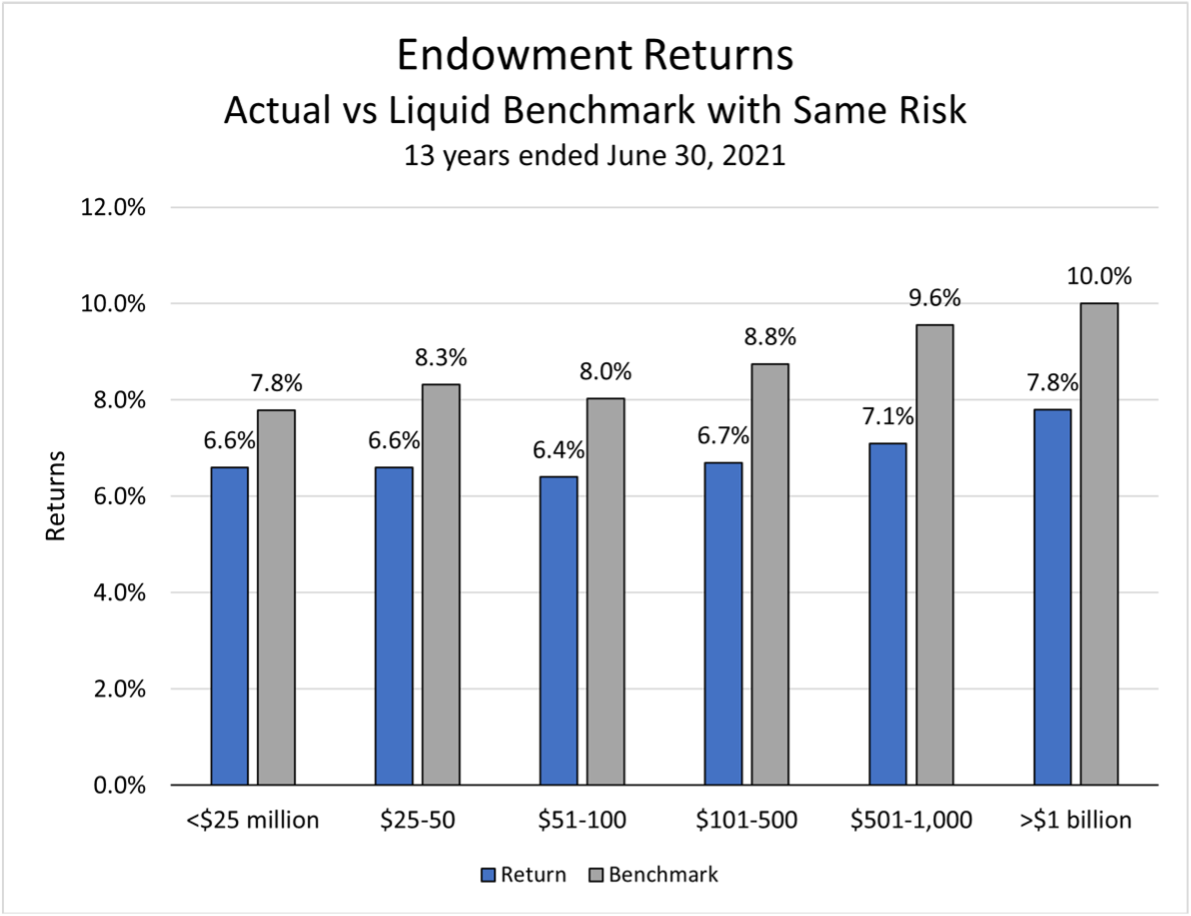
The alternative investments of college and university endowments have detracted from the schools’ performance across the board since the Global Financial Crisis of 2008. Large endowments—ones with greater than $1 billion in assets—appear to have handled their alternative investing better than the smaller ones. But whatever skill the big ones might bring to bear has not been enough to make them winners with these controversial investments.
Have Alternative Investments Helped or Hurt?
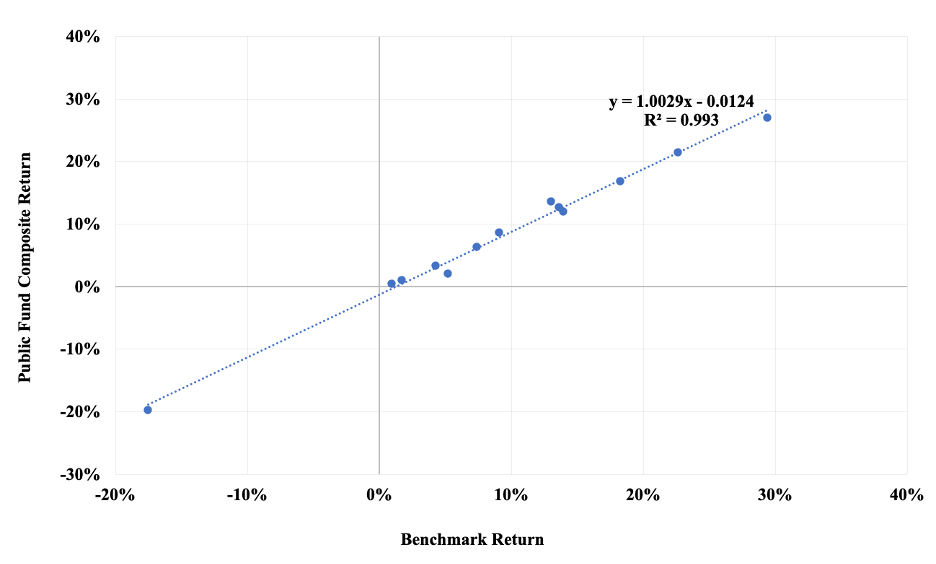
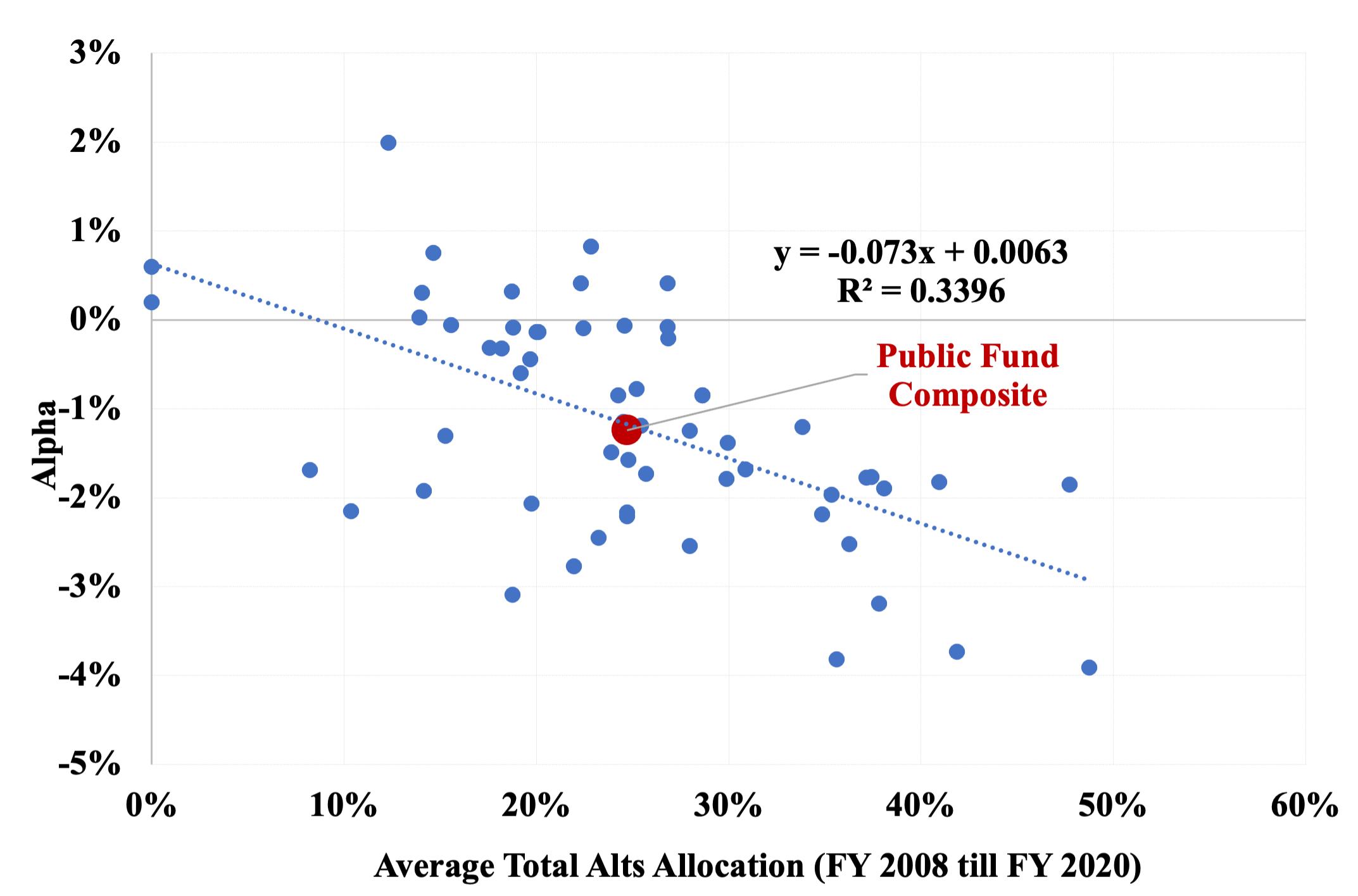
Despite all the attention paid to alternative investments in recent years, there has been little study of their impact on the performance of institutional investment portfolios, e.g., those of pension plans and endowed institutions. This paper attempts to help fill the void. It shows that, since the Global Financial Crisis of 2008, US public-sector pension funds realized a negative alpha of approximately 1.2% per year, virtually all of which is associated with their exposure to alternative investments. While exposure to private equity neither helped nor hurt, both real estate and hedge fund exposures detracted significantly from performance. Institutional investors should consider whether continuing to invest in alternatives warrants the time, expense and reduced liquidity associated with them.
Excellence Gone Missing
Managers of institutional portfolios have long been seen as among the elite in the investment field. They typically possess advanced degrees and/or other professional credentials. They are fiduciaries for the largest and most complex investment portfolios on the planet. Many are paid fabulously. In terms of the collective merit of their work, however, I see room for improvement. Indeed, I question the excellence of much of institutional investing as it is practiced today.
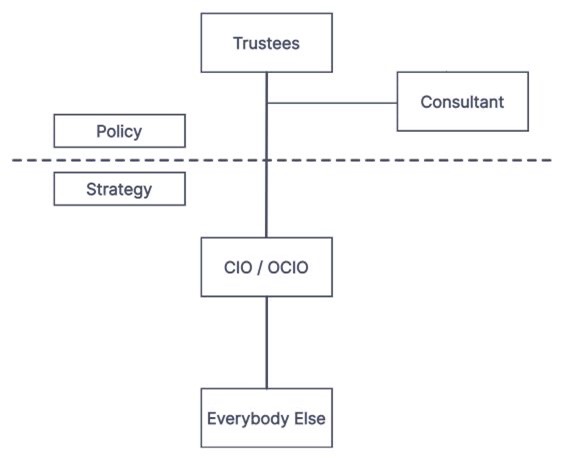
Disentangling Investment Policy and Investment Strategy for Better Governance